Business Bankruptcy

Business Bankruptcy Attorneys in Fort Lauderdale

Your business is facing serious financial pressure, but that doesn't mean it's over. We help business owners throughout South Florida restructure debt, protect assets, and find the best path forward through Chapter 7, Chapter 11, Subchapter V, or alternatives to bankruptcy.

Bankruptcy Does Not Mean Failure

In business, the word "bankruptcy" carries a stigma. But the reality is far from the common perception. Bankruptcy is not the end of the road. It's a financial tool designed to provide relief and, in many cases, a path to continue operating.

The most successful business owners understand when to use every tool available to protect what they've built. That includes knowing when restructuring, reorganization, or even an orderly wind-down makes more strategic sense than continuing to fight a losing battle against mounting debt.

At Shelomith Law, we've guided businesses of all sizes through complex debt situations. Our goal is to help you understand your options clearly so you can make the decision that's right for your business, your employees, and your future.

When Business Debt Becomes Unmanageable

If any of these sound familiar, it may be time to explore your options:

Creditors are threatening lawsuits or have already filed

You're falling behind on payroll, rent, or essential vendor payments

Cash flow no longer covers operating expenses

You're personally guaranteeing business debts and worried about personal liability

You're considering closing but don't know how to handle outstanding obligations

Aggressive collection actions are disrupting your ability to operate

These situations don't resolve themselves. But with the right strategy, you can regain control and protect what matters most.

Which Path Is Right for You?

Every financial situation is different. Here's an overview of the options we help clients navigate:

Chapter 11 Bankruptcy

Restructure Debt While Continuing to Operate

Chapter 11 allows your business to continue operating while you develop a court-approved plan to repay creditors over time. It provides breathing room from collection actions and the opportunity to renegotiate terms with creditors.

Who it's for: Businesses with viable operations that need time and structure to reorganize their finances and reduce debt burdens.

Traditional Chapter 11

Full-scale restructuring for larger or more complex businesses
Negotiate directly with creditors for better repayment terms
Management retains control during the reorganization process
Flexibility in how the business is restructured

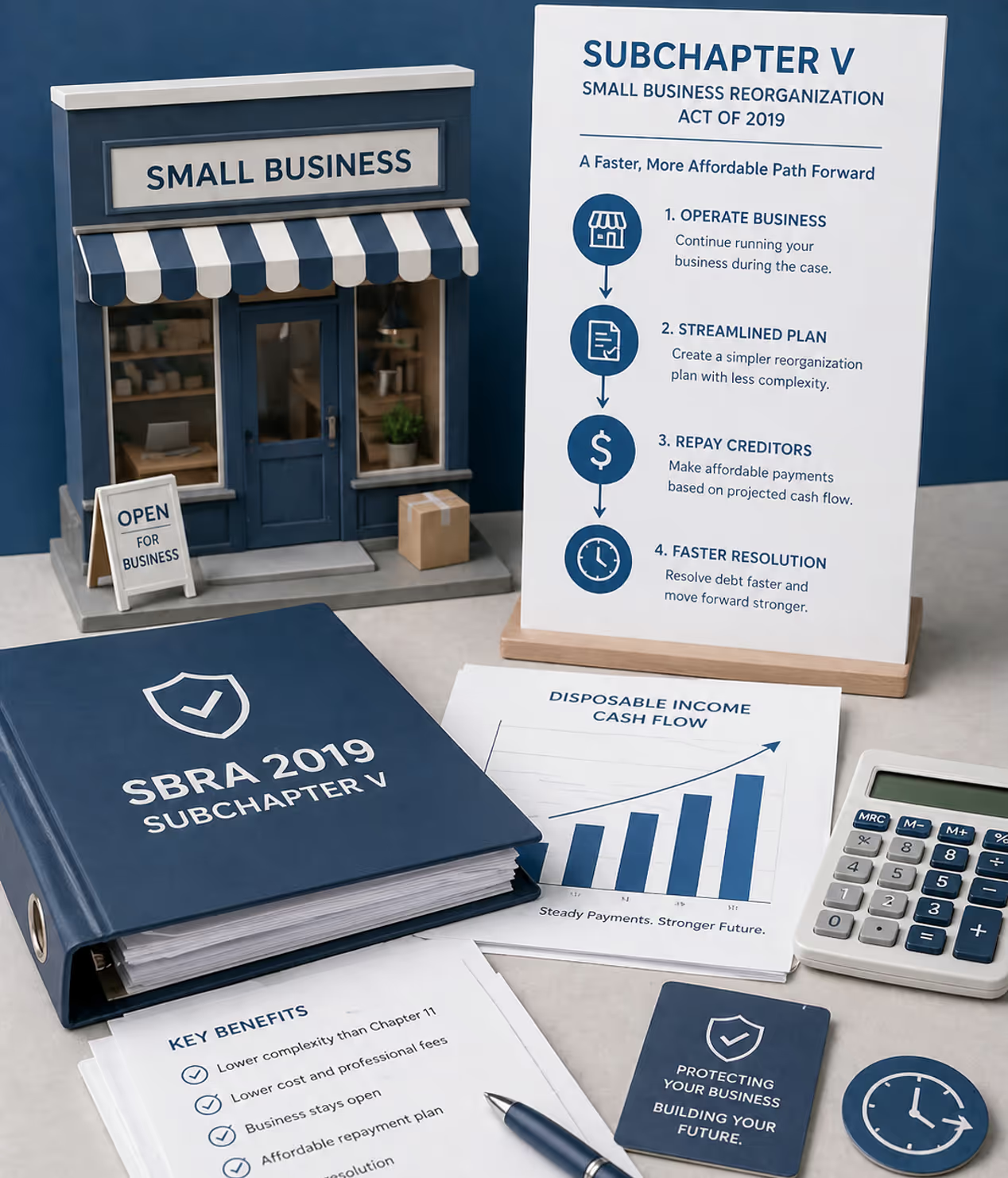
Subchapter V (Streamlined Chapter 11)

Simplified process designed for small businesses
Lower costs and faster timeline than traditional Chapter 11
Court-appointed trustee helps facilitate the process
Plan can be confirmed without creditor approval (subject to court approval)
Small Business Reorganization Act of 2019

Streamlined Restructuring for Qualifying Small Businesses

The Small Business Reorganization Act (SBRA) created Subchapter V to make Chapter 11 reorganization more accessible and affordable for small businesses. It eliminates many of the costly and time-consuming requirements of traditional Chapter 11 while allowing you to keep operating during the process.

Who it's for: Small businesses with debts below the Subchapter V threshold that want to reorganize without the complexity and expense of traditional Chapter 11.

Key Benefits

Simplified bankruptcy process with reduced costs
Continue business operations while repaying creditors
Repayment plan based on disposable income
Faster resolution than traditional Chapter 11
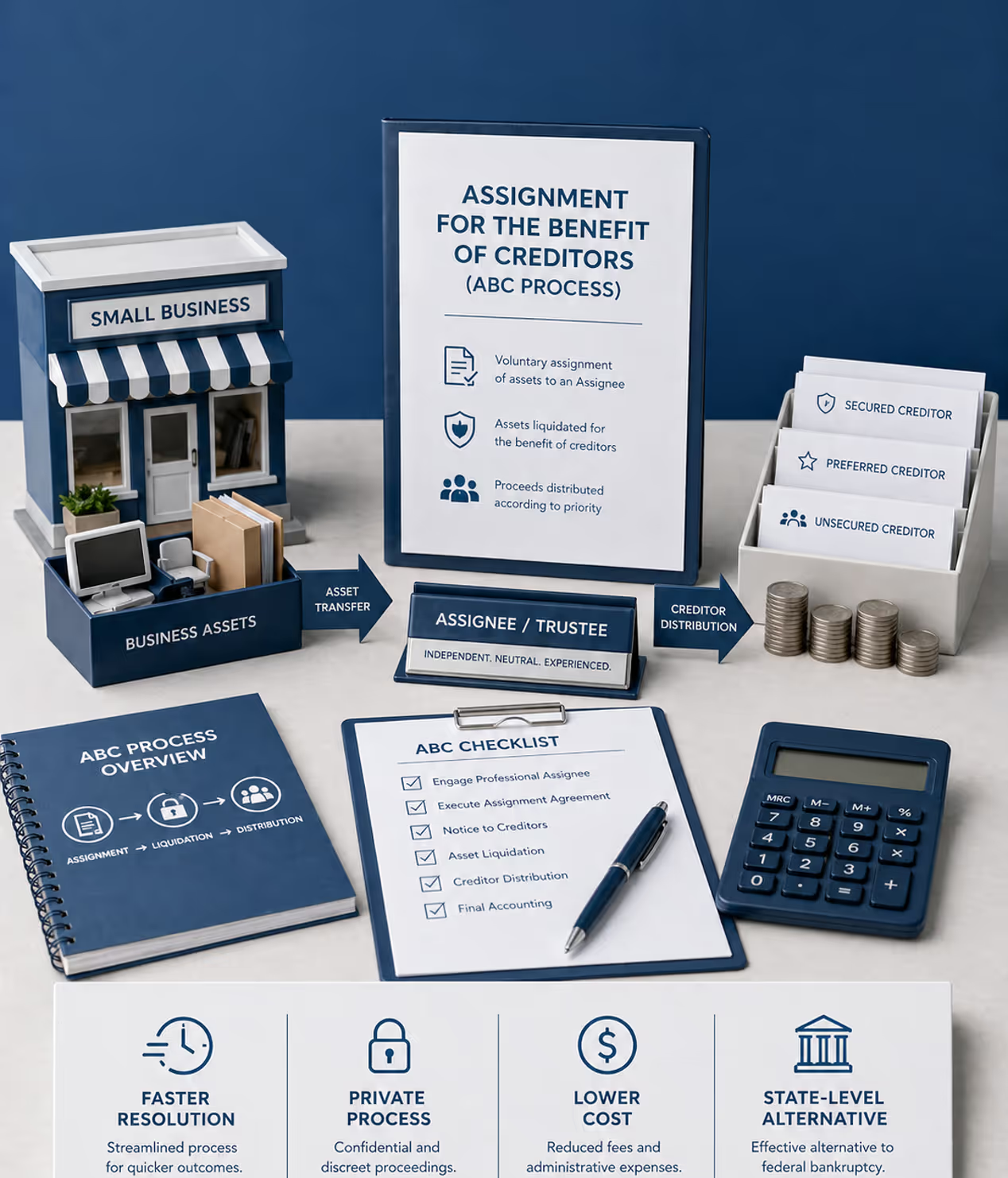
Assignment for the Benefit of Creditors (ABC)

A State-Level Alternative to Bankruptcy

An Assignment for the Benefit of Creditors (ABC) is a state-level process that can serve as an alternative to federal bankruptcy. The business transfers its assets to an assignee (trustee) who liquidates them and distributes proceeds to creditors. It can be faster, more private, and more flexible than bankruptcy in certain situations.

Who it's for: Businesses looking for a quicker, more discreet wind-down process without the federal court involvement of bankruptcy.

Key Benefits

Faster and more private than federal bankruptcy
Flexibility in how assets are handled and liquidated
Often lower cost than Chapter 7 bankruptcy
State-level process with fewer procedural requirements
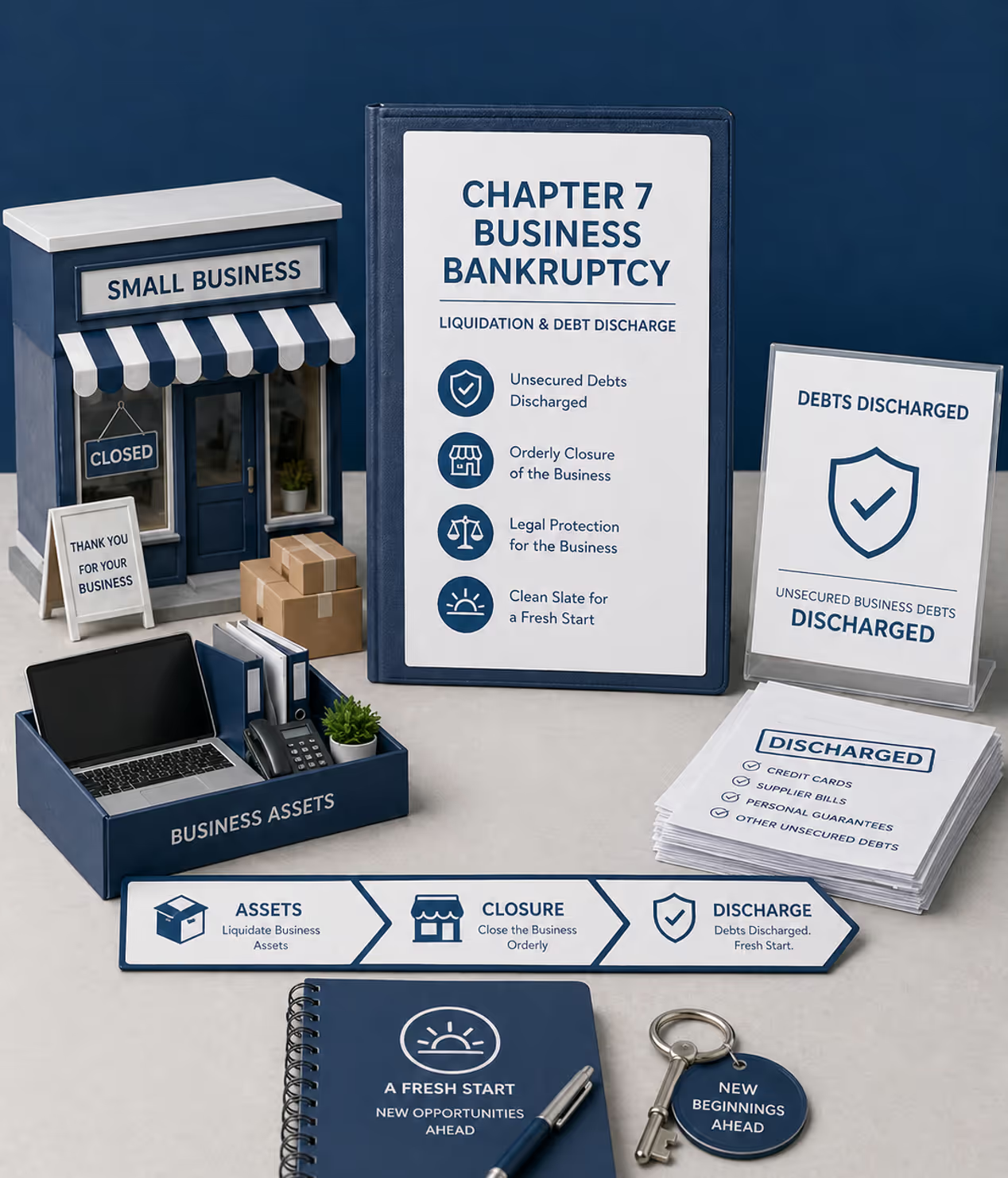
Chapter 7 Business Bankruptcy

Close the Business and Discharge Debts

Chapter 7, sometimes called "liquidation bankruptcy," allows you to discharge most unsecured debts like credit cards, medical bills, and personal loans. The process is typically completed within a few months from filing to discharge.

Who it's for: Individuals with limited income who cannot realistically repay their debts.

Key Benefits

Discharge of unsecured business debts
Orderly closure with legal protection
Clean slate to move forward with future ventures
Protection from ongoing creditor actions

What Business Debt Relief Can Accomplish

Regain Financial Control

When debt becomes overwhelming, you lose the ability to make strategic decisions for your business. Debt relief puts you back in the driver's seat, allowing you to focus on operations instead of creditor demands.

Prevent Business Closure

Your business is more than a source of income. It's your passion and your livelihood. The right restructuring strategy can keep your doors open and your employees working.

Reduce Stress and Personal Liability

Business debt creates enormous personal stress, especially when you've personally guaranteed obligations. Taking proactive steps can minimize your personal exposure and let you focus on what you do best.

Why Business Owners Choose Shelomith Law

Business bankruptcy requires deep expertise in corporate law, creditor negotiations, and court procedures. Here's why clients trust us with their most complex cases:

Board Certified Expertise

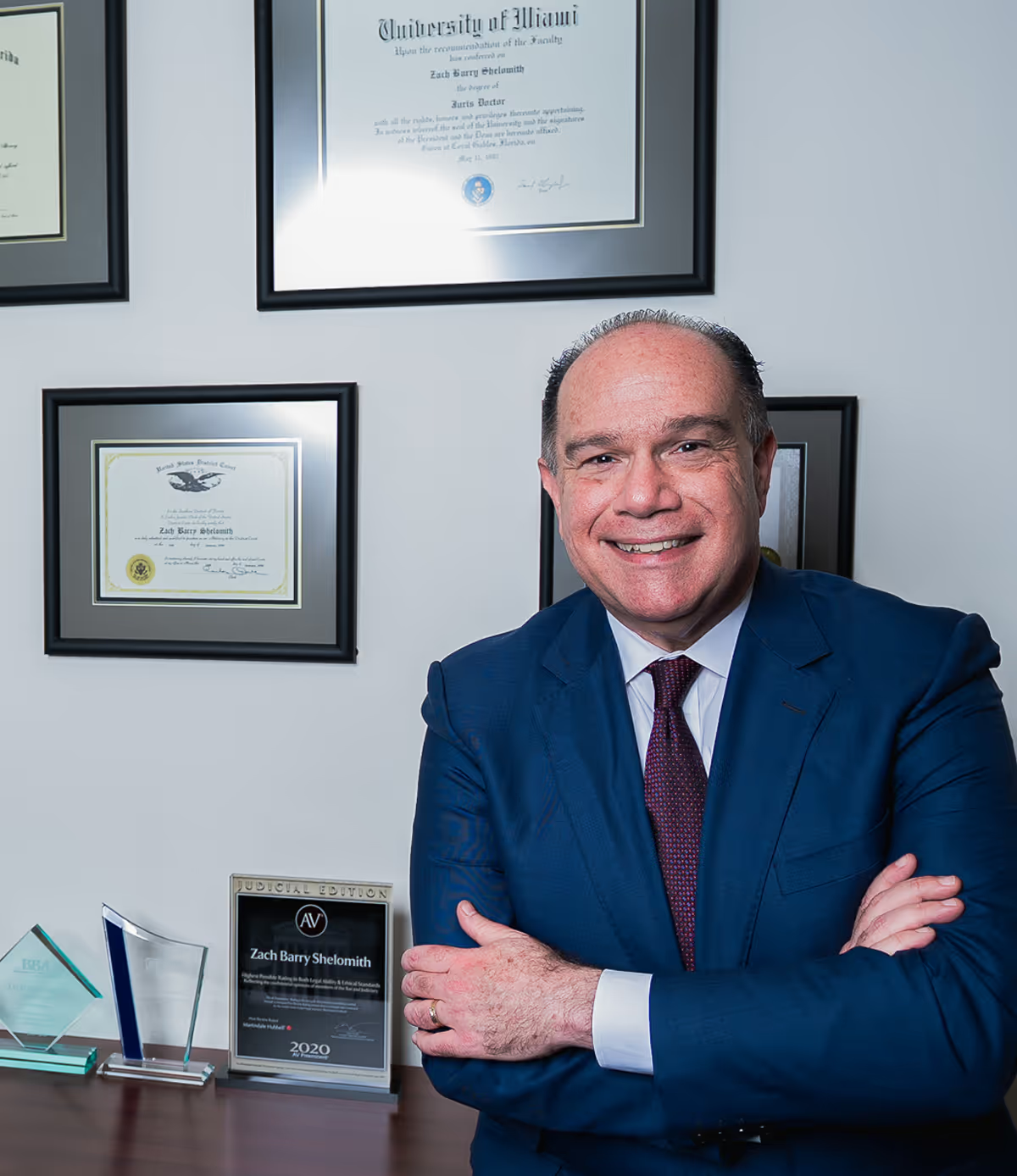
Zach Shelomith is one of the few attorneys in Florida Board Certified in both Business Bankruptcy and Consumer Bankruptcy Law, demonstrating recognized expertise in complex business debt matters.

Recognized by Peers

Chambers ranked, Best Lawyers recipient, Super Lawyers Top 100. Attorneys across South Florida refer their toughest bankruptcy matters to our firm.

Strategic, Not Just Legal

We understand that business bankruptcy is as much a business decision as a legal one. We help you evaluate options in terms of your goals, not just legal technicalities.

Personalized Attention

Every business situation is unique. We develop strategies tailored to your specific debts, assets, operations, and objectives.

Creditor Negotiation Experience

We've represented both debtors and creditors, giving us insight into how the other side thinks and what it takes to reach workable agreements.

Support Through Resolution

From initial strategy session through final resolution, we guide you through every step and keep you informed along the way.

What to Expect

1

Strategy Session

We review your business finances, debt structure, and goals. We explain which options are available and what each path looks like in practice.
2

Option Analysis

Based on your situation, we analyze the pros and cons of each approach and recommend a strategy that aligns with your objectives, whether that's continuing operations, orderly wind-down, or something else.
3

Filing & Protection

If bankruptcy is the right path, we prepare and file your case. The automatic stay takes effect immediately, halting creditor lawsuits, collection actions, and other pressure.
4

Resolution

Depending on your case type, we guide you through the reorganization plan, liquidation process, or alternative resolution until your case is successfully closed.

Common Questions About Business Bankruptcy

How long does it take to file for bankruptcy in Florida?

The duration of the bankruptcy process depends on the type of bankruptcy filed. A Chapter 7 bankruptcy typically takes about 4-6 months from filing to discharge, while a Chapter 13 bankruptcy plan lasts 3-5 years.

How do you qualify for bankruptcy in Florida?

Qualifying for bankruptcy in Florida involves several factors, including your income, the type and amount of your debts, and your ability to repay your debts. A bankruptcy attorney can help you understand these requirements and determine if bankruptcy is the right option for you.

What is the income limit for Chapter 7 in Florida?

The income limit for Chapter 7 bankruptcy in Florida is determined by the state's median income and your household size. If your income is below the state median, you can file for Chapter 7. If it's above, you may still qualify after passing the Means Test, which considers your disposable income and unsecured debts.

How much debt do you have to have to file bankruptcy in Florida?

In Florida, there's no minimum amount of debt required to file for bankruptcy. We typically don't take on cases with less than $15,000 in debt. We believe that in such situations, other debt relief options may be more beneficial and cost-effective.

Can I file for bankruptcy myself in Florida?

While technically you can file for bankruptcy on your own (pro se), it's not recommended. The process is complex and requires a thorough understanding of bankruptcy law. Mistakes can be costly, jeopardizing your financial future. For instance, imagine accidentally leaving a valuable asset off your bankruptcy forms, only to have it seized and sold to repay your creditors. With so much at stake, it's wise to seek professional help.