


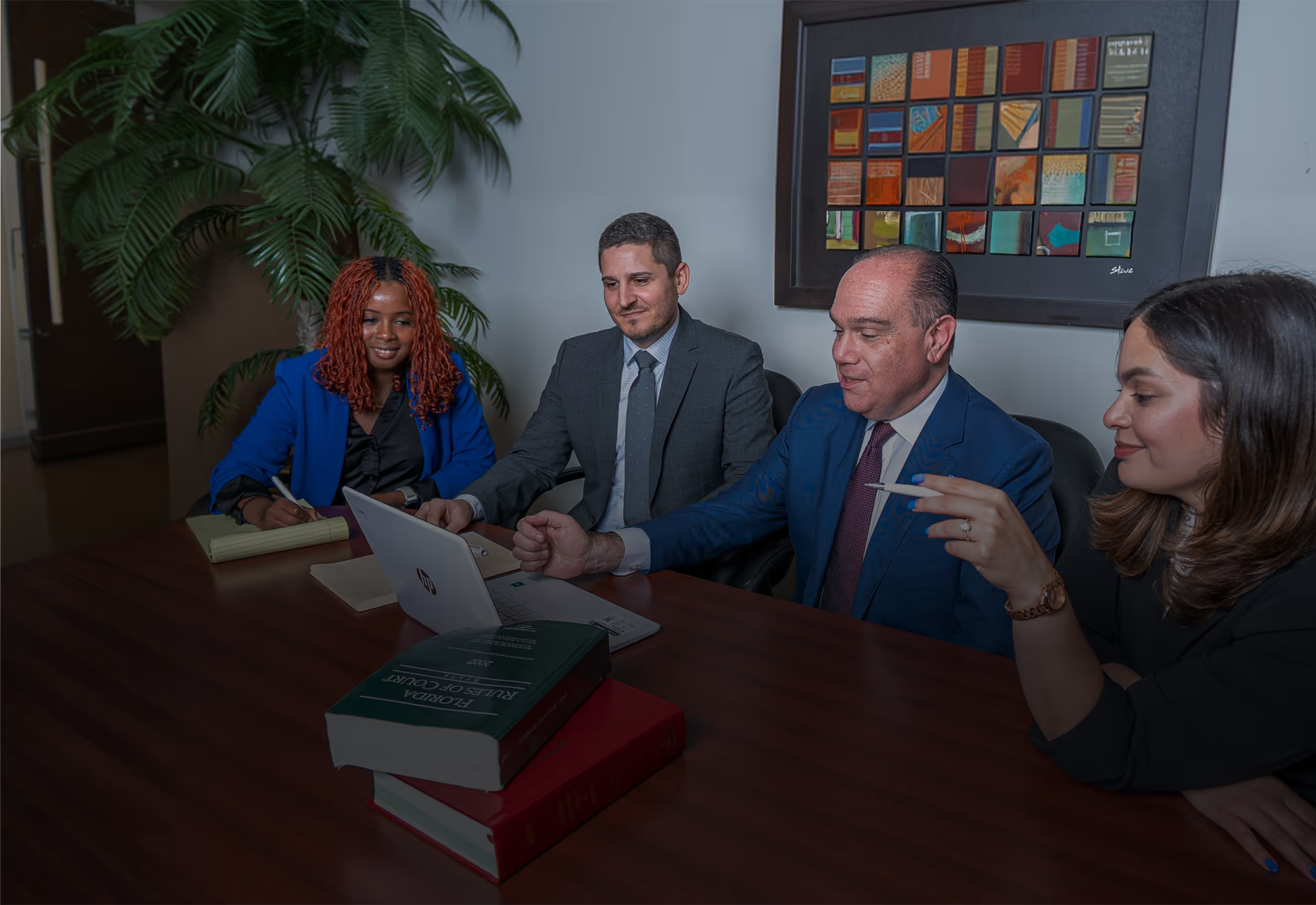








Comprehensive Bankruptcy Expertise Under One Roof
Most firms handle one side of bankruptcy. We represent debtors, creditors, and interested parties across personal and business matters, bringing Board-Certified knowledge and strategic depth to every case we take on.
Business Bankruptcy
When your business faces financial distress, the right strategy can mean the difference between closure and recovery. We help business owners evaluate every available option.

Personal Bankruptcy
Struggling with debt that's become unmanageable? Chapter 7 and Chapter 13 bankruptcy can provide a fresh start and protect what matters most. We offer free strategy sessions for individuals.

creditor & interested party representation
Owed money by a debtor in bankruptcy? Facing a clawback claim? Looking to acquire assets from a bankruptcy estate? We help creditors, HOAs, landlords, lenders, and other interested parties protect their rights and maximize their position.


One of Florida's Most Respected Bankruptcy Attorneys
Zach Shelomith is among only a handful of attorneys in the country Board Certified in both Business and Consumer Bankruptcy Law. As Past President of the Bankruptcy Bar Association for the Southern District of Florida and a Chambers-ranked attorney, he's built a reputation for taking on complex cases that other firms turn away.
His approach is direct: understand your situation fully, explain every option clearly, and fight for the best possible outcome. That's why attorneys across South Florida refer their toughest bankruptcy matters to our firm.






What Makes Us Different

We Handle What Others Won't
Our firm is known for taking unconventional and complex cases. When the path forward isn't obvious, we find it.
Full-Service Bankruptcy Expertise
From personal Chapter 7 to complex business restructurings to creditor representation, we cover every angle of bankruptcy law under one roof.
Direct Access to Senior Attorneys
You won't be passed off to junior staff. Our experienced attorneys are involved in your case from day one.
We Treat You Like a Person, Not a File Number
Financial distress is stressful. We listen first, explain everything in plain language, and make sure you understand your options before making any decisions.
Customer testimonials
Commonly Asked Questions
Below are some of the most asked questions related to your circumstances.
Can bankruptcy save a company?
Absolutely! Bankruptcy isn't always the end. In fact, it can be a new beginning. Filing for Chapter 11 bankruptcy, for instance, allows a company to restructure its debts and develop a plan to keep the business running while paying off creditors over time. It's a lifeline for businesses in financial distress, giving them a chance to get back on their feet.
What's the difference between Chapter 11 and Chapter 7?
The primary difference lies in the outcome. Chapter 11 bankruptcy is a reorganization process, allowing a business to continue operations while restructured debt is repaid. On the other hand, Chapter 7 bankruptcy involves the liquidation of a company's assets to repay creditors, often leading to the dissolution of the business.
What happens when a business files for bankruptcy?
When a business files for bankruptcy, it's placed under the protection of the bankruptcy court. This halts all collection efforts from creditors (an automatic stay). The business then works with the court and its creditors to develop a plan for repaying its debts.
Can I start another business if I file bankruptcy?
Yes, filing bankruptcy does not prevent you from starting a new business. However, it could make obtaining new credit more challenging in the short term. It's essential to understand your financial situation and explore all options before venturing into a new business.
How much is a bankruptcy lawyer in Florida?
The cost of a bankruptcy lawyer in Florida varies based on complexity, the type of bankruptcy, and the attorney's level of experience. It's crucial to remember that while cost is a factor, having an experienced lawyer can make the process smoother and protect your interests.
Can I file for bankruptcy myself in Florida?
While technically you can file for bankruptcy on your own (pro se), it's not recommended. The process is complex and requires a thorough understanding of bankruptcy law. Mistakes can be costly, jeopardizing your financial future. For instance, imagine accidentally leaving a valuable asset off your bankruptcy forms, only to have it seized and sold to repay your creditors. With so much at stake, it's wise to seek professional help.
How much debt do you have to have to file bankruptcy in Florida?
In Florida, there's no minimum amount of debt required to file for bankruptcy. We typically don't take on cases with less than $15,000 in debt. We believe that in such situations, other debt relief options may be more beneficial and cost-effective.
What is the income limit for Chapter 7 in Florida?
The income limit for Chapter 7 bankruptcy in Florida is determined by the state's median income and your household size. If your income is below the state median, you can file for Chapter 7. If it's above, you may still qualify after passing the Means Test, which considers your disposable income and unsecured debts.
How do you qualify for bankruptcy in Florida?
Qualifying for bankruptcy in Florida involves several factors, including your income, the type and amount of your debts, and your ability to repay your debts. A bankruptcy attorney can help you understand these requirements and determine if bankruptcy is the right option for you.
How long does it take to file for bankruptcy in Florida?
The duration of the bankruptcy process depends on the type of bankruptcy filed. A Chapter 7 bankruptcy typically takes about 4-6 months from filing to discharge, while a Chapter 13 bankruptcy plan lasts 3-5 years.
What does it mean to have legal representation as a creditor in a bankruptcy case?
When a debtor files for bankruptcy, an automatic stay immediately halts most collection efforts but that doesn't mean creditors are powerless. An attorney can help you file a proof of claim, object to a debtor's discharge or reorganization plan, lift the automatic stay when appropriate, and fight to maximize your recovery through the bankruptcy process.
What is a proof of claim, and do I need an attorney to file one?
A proof of claim is the formal document that registers what a debtor owes you in a bankruptcy case. While creditors can technically file one without an attorney, mistakes can result in your claim being disallowed or significantly reduced. For business creditors, HOAs, or lenders with substantial claims, having an attorney ensures your claim is filed correctly and defended if challenged.
I received a preference or fraudulent transfer lawsuit from a bankruptcy trustee, what do I do?
Trustees can sue creditors to "claw back" payments made before a bankruptcy filing, even legitimate ones. These are called preference or avoidance actions, and they can be significant. We represent creditors facing these claims and often have strong defenses available, including the ordinary course of business and new value defenses.
What happens to our HOA's claim when a homeowner files for bankruptcy?
HOA and condominium association claims are treated differently depending on the type of bankruptcy filed. In some cases, post-petition assessments are given priority; in others, the association can seek relief from the automatic stay to pursue lien foreclosure. We regularly represent HOAs and condo associations in bankruptcy proceedings to protect their interests.
Can I purchase assets from a bankruptcy estate?
Yes, bankruptcy sales under Section 363 of the Bankruptcy Code can be an opportunity to acquire business assets, real estate, or equipment, often free and clear of liens and claims. We represent buyers interested in bankruptcy asset acquisitions, guiding them through the bidding process and court approval.